
KIN BALL
Was ist Kin Ball?
Das Spiel
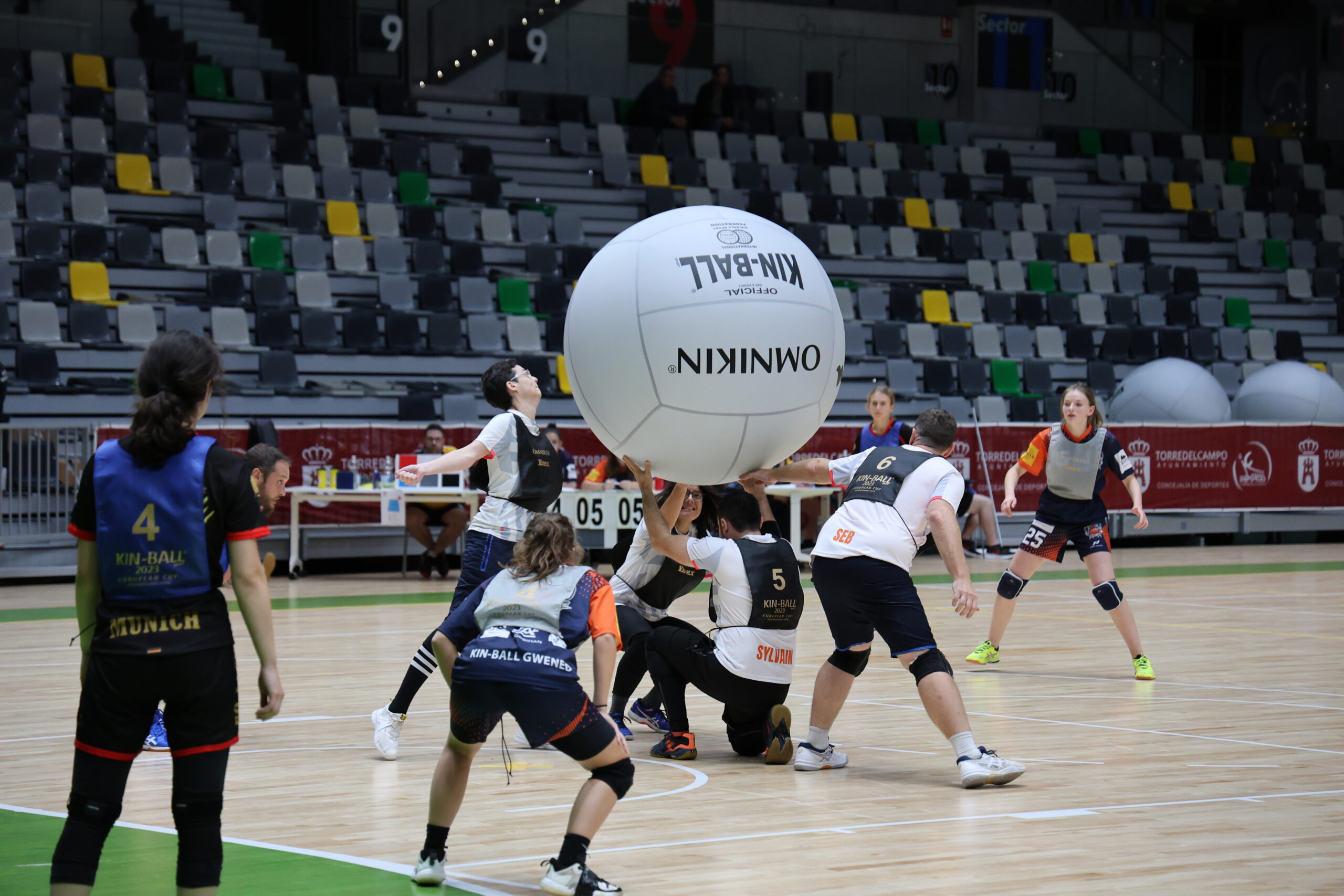
Kin-Ball ist eine moderne Mannschaftssportart, die mit drei Teams zu je vier Personen auf einem bis zu 20 x 20 Meter großen Spielfeld und einem etwa 1,22 Meter großen, sehr leichten Ball ausgetragen wird. Die Sportart zeichnet sich durch ihren stark sozial-integrativen Charakter aus: Teams können gemischt aus Frauen und Männern, unterschiedlichen Altersgruppen sowie Freizeit- und Leistungssportlern zusammengesetzt werden, wobei das Regelwerk sicherstellt, dass alle Beteiligten vergleichbare Spielanteile erhalten und keine einzelnen „Stars“ dominieren.
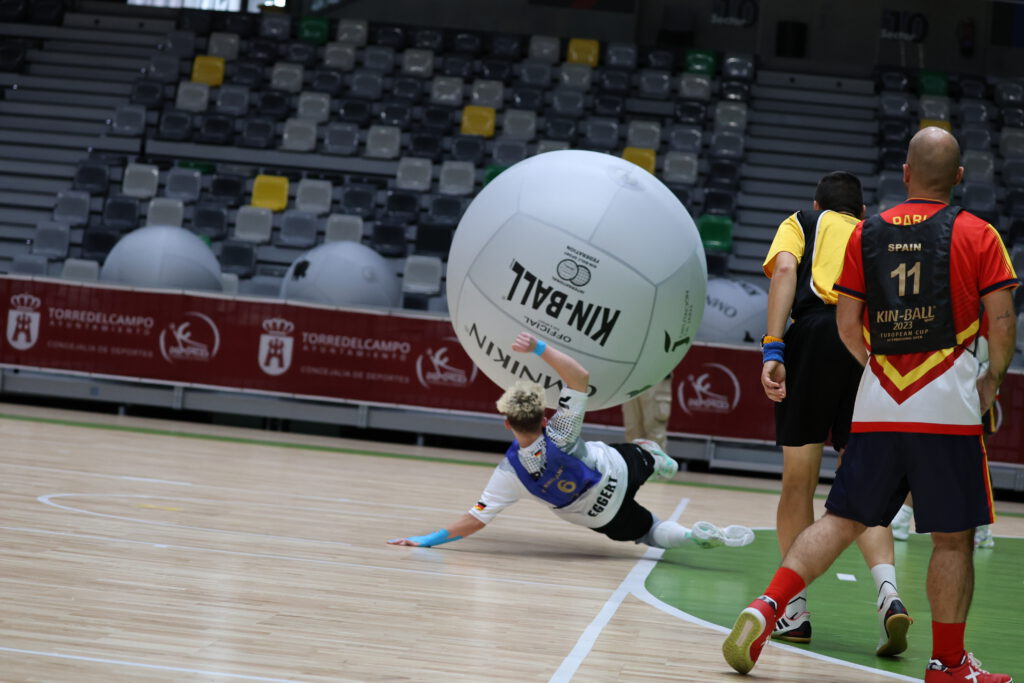
Ziel des Spiels ist es, zu verhindern, dass der Ball für das eigene Team den Boden berührt. Ein Team greift an, ruft das festgelegte Signalwort „Omnikin“ in Kombination mit der Farbe einer gegnerischen Mannschaft – typischerweise den drei offiziellen französischen Farbbezeichnungen „Bleu“, „Gris“ oder „Noir“ – und schlägt anschließend den Ball in deren Richtung. Das aufgerufene Team muss den Ball kontrollieren, bevor er den Boden berührt, und leitet im Anschluss selbst einen Angriff ein. Gelingt die Annahme nicht und der Ball fällt zu Boden, erhalten die angreifende und die dritte Mannschaft jeweils einen Punkt, während das fehlende Team den nächsten Angriff ausführen muss. Häufig wird zusätzlich die Vorgabe genutzt, stets die punktbeste Mannschaft anzugreifen, um Leistungsunterschiede abzufedern und alle Teams dauerhaft in das Spielgeschehen einzubinden.
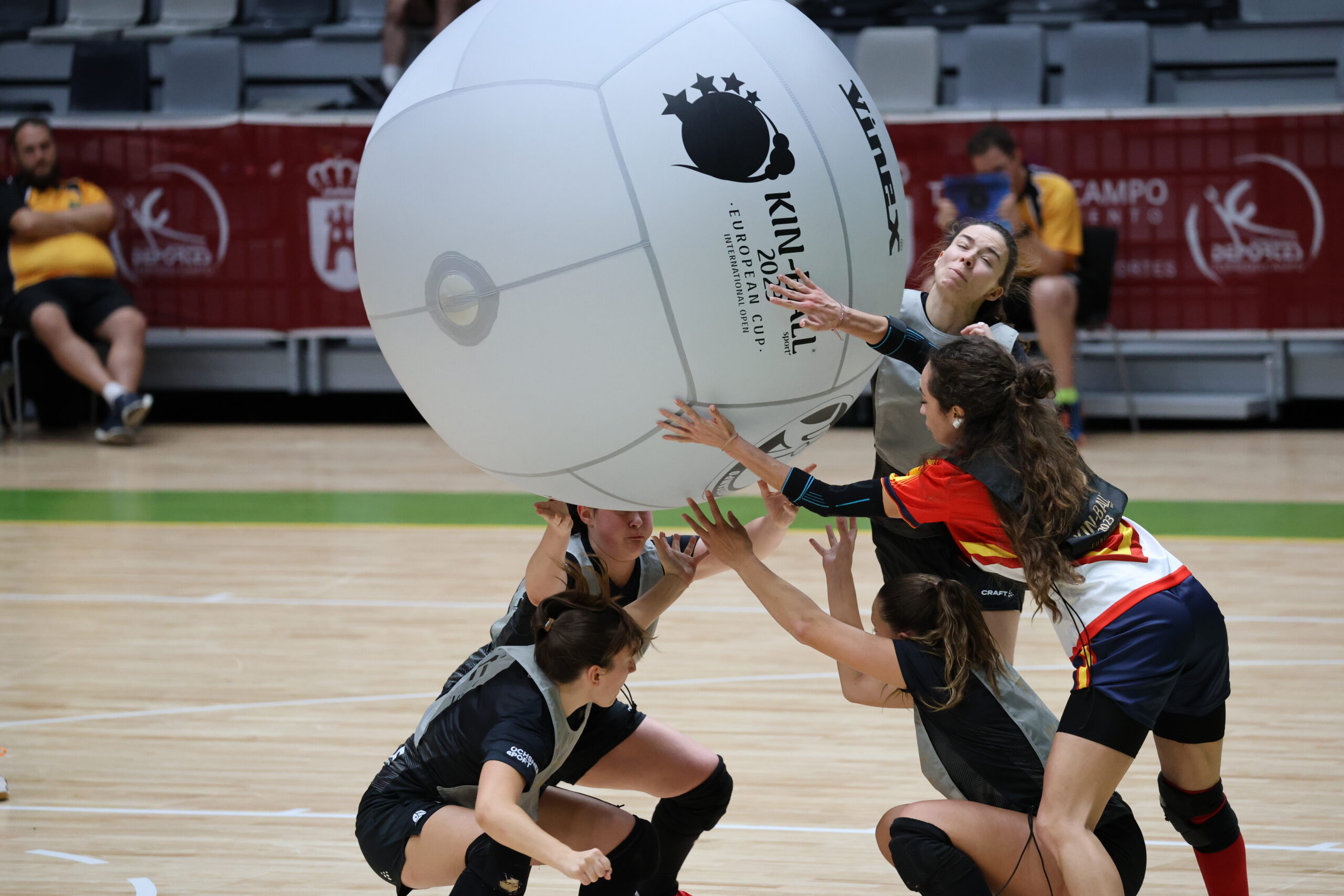
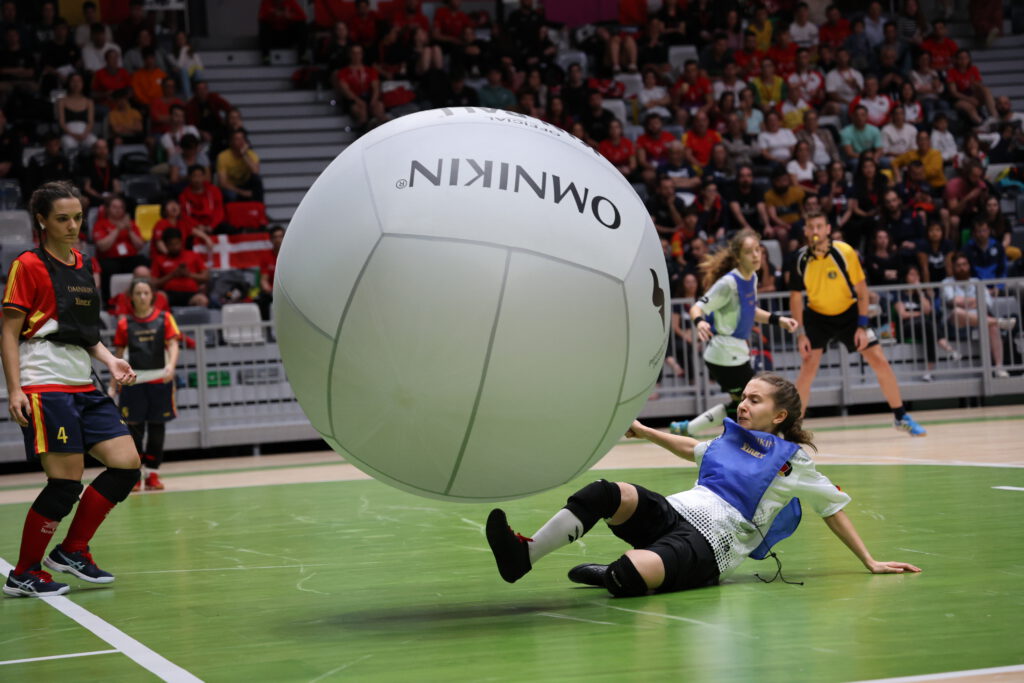
Die Begegnungen werden in Spielperioden organisiert, die entweder bis zum Erreichen einer definierten Punktzahl (beispielsweise 11 Punkte) oder über eine festgelegte Spielzeit (etwa 7 Minuten) ausgespielt werden. Die Anzahl der gewonnenen Perioden entscheidet über den Gesamtsieg. In höheren Spielklassen kommen ergänzende Regelvarianten zum Einsatz, etwa „kritische Punktstände“, bei denen ab einem bestimmten Zwischenstand ein Team das Spielfeld verlässt und die verbleibenden zwei Mannschaften den Periodensieg unter sich ausspielen. Die Sportart bietet darüber hinaus zahlreiche technische und taktische Optionen – etwa unterschiedliche Schlagtechniken, Blocks und Finten – und ermöglicht so eine Entwicklung vom einfachen Einstiegsspiel bis hin zu einer hochdynamischen, leistungsorientierten Wettkampfform.
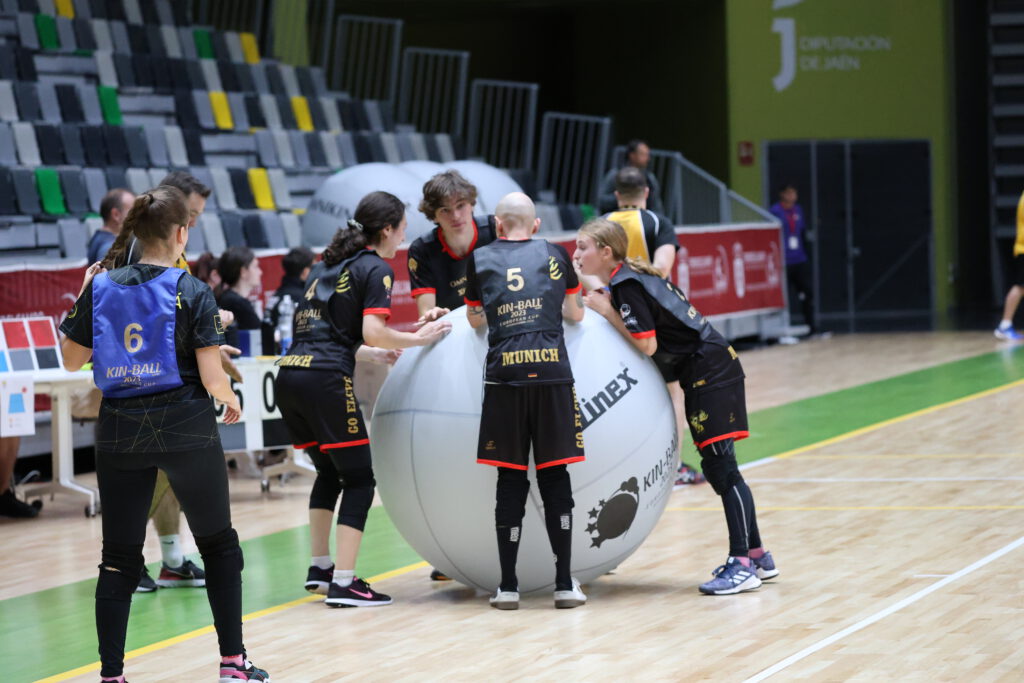
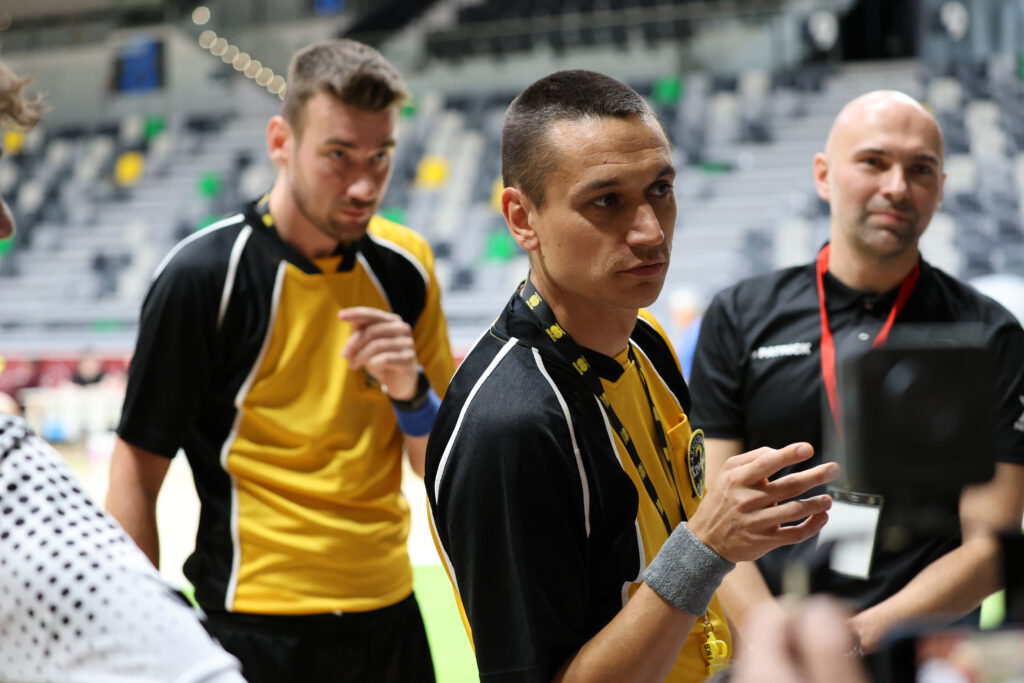
Eine besondere Bedeutung kommt den Schiedsrichterinnen und Schiedsrichtern zu. Sie überwachen nicht nur die Einhaltung der technischen Regeln, sondern achten auch auf Fairness, Kooperation und respektvolles Verhalten zwischen den Teams. Bei Regel- oder Fairnessverstößen können sie abgestufte Sanktionen bis hin zur Disqualifikation einer gesamten Mannschaft aussprechen. Bei größeren Veranstaltungen werden sie zusätzlich von weiteren Offiziellen wie Linienrichterinnen und Linienrichtern, Zeitnehmenden und Verantwortlichen für das Spielstands-Management unterstützt, um einen strukturierten, transparenten und spannenden Spielablauf sicherzustellen.
Geschichte
Der Ursprung
Kin-Ball entstand Mitte der 1980er Jahre in Kanada, genauer gesagt in Québec, wo Sportstudierende der Aufgabe nachgingen, eine neue Sportart zu entwickeln, die konditionelle, koordinative und soziale Defizite der Bevölkerung gezielt ausgleicht. Der Ausgangspunkt war die Inspiration durch riesige, leichte Bälle, die sie bei einem Rockkonzert sahen; daraus entwickelten sie zunächst vielfältige Übungsformen und schufen 1986 das heutige Mannschaftsspiel mit drei Teams zu je vier Personen, das durch seinen Fokus auf Teamgeist, Integration und Fairplay besticht.
1987 gründeten die Erfinder die Firma OMNIKIN Inc., um die Sportart systematisch zu vermarkten und zu verbreiten. Zunächst wurde Kin-Ball als außerschulische Aktivität an Schulen in Québec eingeführt, wobei die Zahl der teilnehmenden Schulen bis 1991 stark anstieg. 1992 folgte die Gründung des Kin-Ball-Verbands der Provinz Québec, 1993 die offizielle Anerkennung durch das dortige Ministerium für Freizeit und Sport. Ein Meilenstein war das Jahr 2000, in dem ein kanadischer und ein internationaler Kin-Ball-Verband gegründet wurden, um die Sportart national und global zu organisieren und Turniere wie Weltmeisterschaften zu fördern.
Von Anfang an verkörpert Kin-Ball Werte wie Gewaltfreiheit, Gleichwertigkeit aller Spielenden – unabhängig von Alter, Geschlecht oder Leistungsniveau – sowie konsequentes Fairplay. Diese Prinzipien sind in einer eigenen Charta zum sportlichen Verhalten festgehalten und in das Regelwerk integriert, was die Sportart besonders für Schulen, Vereine und integrative Gruppen attraktiv macht. In Deutschland wurde Kin-Ball 2004 beim Deutschen Turnfest erstmals einem breiten Publikum präsentiert. 2005 nahm eine Delegation aus dem Saarland an einer Weltmeisterschaft teil, 2008 fand die Europameisterschaft in Saarlouis statt. 2019 entstand schließlich der Deutsche Kin-Ball Verband (DKBV), der den Sport seither bundesweit in Schulen, Vereinen und bei Wettkämpfen etabliert und weiter ausbaut.